7 Proven Ways Acupuncture and Herbal Medicine Can Transform Your Stress Management Routine

webmaster

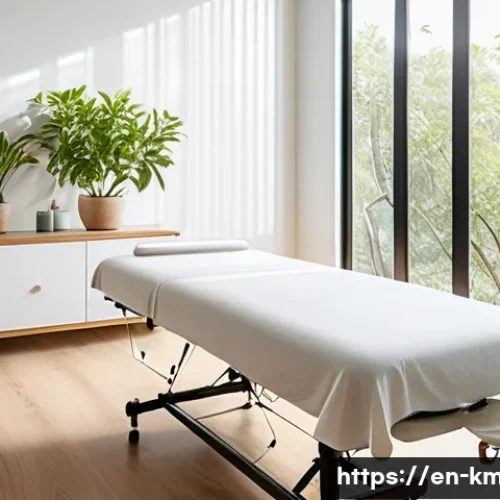
한의사와 스트레스 관리 - A serene wellness clinic room bathed in soft natural light, featuring a calm adult woman lying comfo...

Stress has become an unavoidable part of modern life, affecting both our mental and physical well-being. Many people seek natural and holistic approaches to manage their stress effectively, and this is where traditional medicine, like acupuncture and herbal remedies, can play a vital role.

한의사와 스트레스 관리 관련 이미지 1

From my personal experience, integrating these time-tested methods with daily lifestyle changes can significantly improve resilience against stress. It’s fascinating how ancient practices are gaining recognition alongside modern therapies.

If you’re curious about how a licensed practitioner can help you regain balance, let’s dive deeper and explore the details ahead!

Unlocking the Power of Ancient Healing Techniques for Stress Relief

How Acupuncture Targets Stress at Its Roots

Acupuncture has always intrigued me because it works on such a subtle yet profound level. When tiny needles are inserted into specific points on the body, they stimulate the nervous system and promote the release of natural painkillers and mood-enhancing chemicals like endorphins and serotonin.

From my experience, this isn’t just placebo—it genuinely shifts your body’s internal balance, easing tension and calming the mind. I remember feeling waves of relaxation spread through my shoulders and back during a session, as if the stress had been physically lifted off my body.

The process feels almost meditative, encouraging a deep sense of presence that’s hard to find in our hectic lives. It’s fascinating that something so simple and minimally invasive can produce such a noticeable impact on both mental and physical stress symptoms.

Herbal Remedies: Nature’s Answer to Chronic Stress

Herbal medicine taps into centuries of wisdom, using plants to support our nervous system and restore equilibrium. Adaptogens like ashwagandha, rhodiola, and holy basil are among my favorites because they help the body adapt to stress without causing sedation or dependency.

When I incorporated these herbs into my daily routine, I noticed a steadier mood throughout the day and fewer spikes of anxiety. What’s particularly impressive is how these remedies work gradually but consistently, building resilience over time instead of just masking symptoms temporarily.

It’s like giving your body the tools to handle pressure more gracefully, which for me made a real difference in managing work deadlines and family demands.

Combining Traditional Wisdom with Lifestyle Adjustments

One key insight I’ve gained is that traditional therapies shine brightest when paired with everyday habits that support well-being. Simple practices like mindful breathing, gentle yoga, or even a walk in nature amplify the calming effects of acupuncture and herbs.

For instance, after an acupuncture session, I often spend 10-15 minutes doing breathing exercises, which helps lock in that sense of calm and clarity.

On the flip side, neglecting sleep or overloading on caffeine can blunt the benefits, showing just how interconnected these approaches are. It’s a holistic dance—each element feeding into the other, creating a robust shield against the pressures of modern life.

Advertisement

Understanding Your Body’s Stress Signals for Better Management

Recognizing Physical Symptoms Before They Escalate

Stress doesn’t always shout; sometimes it whispers through subtle signs like tight shoulders, headaches, or digestive issues. I’ve learned that tuning into these early warnings allows me to intervene before stress snowballs into exhaustion or burnout.

For example, when I start noticing tension in my jaw or a racing heart, it’s a cue to pause and engage in a calming ritual, whether that’s acupuncture, herbal tea, or meditation.

This proactive approach feels empowering because it shifts the narrative from being a victim of stress to becoming an active participant in my own health.

Tracking Emotional and Cognitive Changes Over Time

Stress can cloud our thinking, making it hard to focus or making emotions swing unpredictably. Keeping a simple journal helped me spot patterns in my mood and energy levels, revealing triggers I wasn’t fully aware of.

I found that integrating traditional treatments helped stabilize these fluctuations, offering a steadier mental state. This kind of self-awareness is crucial because it informs when to seek professional guidance and when to lean on natural remedies, creating a personalized toolkit for stress resilience.

Why Personalized Care Makes All the Difference

One of the most valuable lessons from working with a licensed practitioner is the tailored approach they provide. Stress manifests uniquely in every individual, influenced by lifestyle, genetics, and emotional history.

A practitioner’s expertise in diagnosing underlying imbalances ensures that treatment isn’t one-size-fits-all but targeted to your specific needs. This personalization makes the healing journey more efficient and rewarding.

I’ve found that when treatments align precisely with what my body and mind require, improvements happen faster and sustain longer.

Advertisement

Exploring Dietary Choices That Support Stress Reduction

The Role of Nutrient-Rich Foods in Calming the Nervous System

Food is often overlooked in stress management, but the nutrients we consume play a foundational role in how our bodies handle pressure. Foods rich in magnesium, omega-3 fatty acids, and B vitamins—like leafy greens, fatty fish, nuts, and whole grains—help regulate neurotransmitters involved in mood and relaxation.

After tweaking my diet to include more of these, I noticed less irritability and better sleep quality. It’s like feeding your brain and body the fuel they need to function optimally under stress.

Herbal Teas and Natural Supplements as Daily Allies

Incorporating calming herbal teas into my daily routine has become a comforting ritual. Chamomile, lavender, and valerian root teas are excellent for winding down after a hectic day.

These natural relaxants don’t just soothe the mind; they also support digestion and reduce muscle tension. Supplements like magnesium glycinate or L-theanine complement this by promoting a relaxed yet alert state, which I find essential during busy workdays.

This combination feels gentle but effective, reinforcing the body’s natural rhythm toward calmness.

Foods to Avoid That Can Exacerbate Stress

On the flip side, certain foods and drinks can fuel the stress response, making it harder to regain balance. Excess caffeine, refined sugars, and processed snacks often lead to energy crashes and heightened anxiety.

I’ve learned to moderate my intake of these, especially in the afternoon and evening, to prevent sleepless nights and jitteriness. Recognizing how diet impacts mood and stress levels has been a game-changer in maintaining steady emotional health.

Advertisement

Mind-Body Practices That Complement Traditional Therapies

The Benefits of Mindfulness and Meditation

한의사와 스트레스 관리 관련 이미지 2

Mindfulness isn’t just a trendy buzzword; it’s a powerful tool that rewires the brain’s response to stress. Regular meditation sessions have helped me cultivate a more compassionate and present mindset, reducing the tendency to ruminate on worries.

The synergy between mindfulness and acupuncture, for example, is remarkable—while acupuncture addresses physical tension, mindfulness calms the mental chatter, creating a holistic sense of ease.

This pairing has made stressful situations feel more manageable rather than overwhelming.

Gentle Movement and Its Impact on Stress Hormones

Incorporating gentle exercises like yoga or tai chi has boosted my stress resilience in ways I didn’t expect. These practices not only stretch and strengthen the body but also regulate the release of cortisol and adrenaline, the hormones tied to the fight-or-flight response.

Moving mindfully enhances body awareness and encourages relaxation, which supports the healing effects of traditional medicine. I’ve found that even short daily sessions can shift my mood and energy positively, making stressful days more bearable.

Breathing Techniques for Instant Calm

Breathing exercises are a simple yet powerful stress-busting tool that I rely on frequently. Techniques like diaphragmatic breathing or the 4-7-8 method quickly lower heart rate and induce a state of calm, even in high-pressure moments.

Integrating these into my routine, especially after acupuncture sessions or before herbal supplements kick in, magnifies the overall relaxation effect.

It’s incredible how something as natural as breathing can be consciously harnessed to regain control over stress responses.

Advertisement

Evaluating the Safety and Effectiveness of Traditional Approaches

Ensuring Treatments Are Administered by Licensed Professionals

One important takeaway from my journey is the value of working with certified practitioners who understand both traditional and modern medicine. Licensed professionals not only provide safe treatments but also tailor therapies to individual health profiles, reducing risks of adverse reactions.

This expertise reassured me, especially when combining herbal remedies with conventional medications, ensuring no harmful interactions occurred. Trusting in professional guidance is key to maximizing benefits while safeguarding health.

Scientific Research Supporting Ancient Practices

It’s exciting to see a growing body of scientific studies validating what traditional medicine has claimed for centuries. Research shows acupuncture can reduce stress hormones and improve mood, while many herbs demonstrate adaptogenic properties in clinical trials.

This evidence bridges the gap between ancient wisdom and modern science, making these therapies more accessible and credible. Personally, knowing that these methods are backed by research enhanced my confidence in choosing them as part of my stress management plan.

Potential Side Effects and How to Address Them

While traditional therapies are generally safe, some individuals might experience mild side effects like temporary soreness after acupuncture or digestive changes from herbs.

I once felt slight fatigue after a treatment session, which quickly passed and signaled my body’s adjustment process. Open communication with your practitioner can help manage these reactions effectively.

Understanding that such effects are typically short-lived and part of the healing journey helped me stay committed rather than discouraged.

Advertisement

Comparing Different Natural Stress Relief Options Side by Side

Method Primary Benefit Typical Duration of Effect Ease of Integration Potential Drawbacks
Acupuncture Balances nervous system, reduces muscle tension Hours to days Requires appointments, professional administration Minor discomfort, cost
Herbal Remedies Enhances resilience, supports mood stability Weeks to months Easy daily use, supplements or teas Possible interactions, slower onset
Mindfulness Meditation Improves emotional regulation, reduces anxiety Immediate to long-term Highly accessible, no cost Requires consistent practice
Dietary Adjustments Supports brain and body health Days to weeks Daily lifestyle change Requires discipline, delayed effects
Gentle Movement (Yoga/Tai Chi) Regulates stress hormones, improves flexibility Immediate to long-term Moderate accessibility, group or solo Needs time commitment, physical limitations
Advertisement

글을 마치며

Ancient healing techniques offer powerful, natural ways to manage stress that modern life often overwhelms us with. Combining these traditional methods with mindful lifestyle choices creates a balanced approach to well-being. From my own experience, embracing these practices has brought a deeper sense of calm and resilience. It’s encouraging to know that by tuning into our bodies and minds, we can take control of stress rather than letting it control us.

Advertisement

알아두면 쓸모 있는 정보

1. Acupuncture stimulates the nervous system to release mood-enhancing chemicals, providing both physical and mental relaxation.

2. Adaptogenic herbs like ashwagandha and rhodiola help the body adapt to stress gradually without dependency.

3. Mindfulness and gentle movement practices amplify the benefits of traditional therapies by promoting mental clarity and hormonal balance.

4. Nutrient-rich foods, especially those high in magnesium and omega-3s, support the nervous system and improve mood stability.

5. Working with licensed professionals ensures safety and personalized care, reducing risks and enhancing treatment effectiveness.

Advertisement

중요 사항 정리

Integrating ancient healing methods with daily habits offers a comprehensive strategy for stress relief that addresses both body and mind. Personalized treatment plans developed by qualified practitioners can optimize results while minimizing side effects. Consistency in practice and mindful lifestyle choices are essential to sustaining long-term benefits. Awareness of dietary impacts and the importance of rest further strengthens stress management efforts. Ultimately, a balanced, informed approach empowers individuals to reclaim control over their stress and overall health.

Frequently Asked Questions (FAQ) 📖

Q: How effective is acupuncture in reducing stress compared to other stress management techniques?

A: From my experience and what many practitioners report, acupuncture can be surprisingly effective in reducing stress. Unlike some quick-fix methods, acupuncture targets the body’s energy flow and nervous system, promoting deep relaxation and balancing hormones like cortisol.
I’ve noticed that after just a few sessions, the tension in my shoulders and my overall anxiety levels dropped significantly. Of course, it works best when combined with other lifestyle changes like regular exercise and mindfulness.
It’s not a magic cure, but it’s a powerful complementary tool that often feels more natural and less invasive than medication.

Q: Are herbal remedies safe to use for stress relief, and how do I know which ones are right for me?

A: Herbal remedies can be very helpful for stress relief, but safety depends on choosing the right herbs and using them properly. For example, herbs like ashwagandha, chamomile, and valerian root have calming properties that many people find beneficial.
However, not all herbs suit everyone, and some can interact with medications or cause side effects. That’s why consulting a licensed herbalist or healthcare provider is essential—they can recommend personalized treatments based on your health history.
Personally, when I tried a tailored herbal blend, it helped me sleep better and feel calmer without any grogginess the next day, which was a huge plus.

Q: How can combining traditional medicine with lifestyle changes improve my ability to handle stress?

A: Integrating traditional medicine like acupuncture and herbal remedies with lifestyle changes creates a more holistic approach to managing stress. From my firsthand experience, simply relying on one method often falls short.
When I combined weekly acupuncture sessions with daily practices like meditation, balanced nutrition, and regular physical activity, I noticed a deeper sense of calm and better energy throughout the day.
These methods work synergistically—traditional medicine addresses the body’s underlying imbalances, while lifestyle changes support ongoing resilience.
It’s this combined effort that truly makes a lasting difference in how we cope with stress.

📚 References


➤ Link

– Google Search

➤ Link

– Bing Search

➤ Link

– Google Search

➤ Link

– Bing Search

➤ Link

– Google Search

➤ Link

– Bing Search

➤ Link

– Google Search

➤ Link

– Bing Search

➤ Link

– Google Search

➤ Link

– Bing Search

➤ Link

– Google Search

➤ Link

– Bing Search

➤ Link

– Google Search

➤ Link

– Bing Search
Advertisement